
In the midst of the holiday season, the first 10,000 doses of Moderna’s new COVID-19 vaccine arrived in Wisconsin. As the nation watched the vaccine’s development and manufacturing, others worked tirelessly behind the scenes to figure out how to deploy and store these life-saving medicines. The government’s Operation Warp Speed aimed to distribute vaccines in record time, but skeptics doubted whether such an ambitious plan was possible. The pharmaceutical industry kicked operations into overdrive, but the logistics and distribution of delivering and administering over 300 million doses in the United States alone remained a significant challenge.
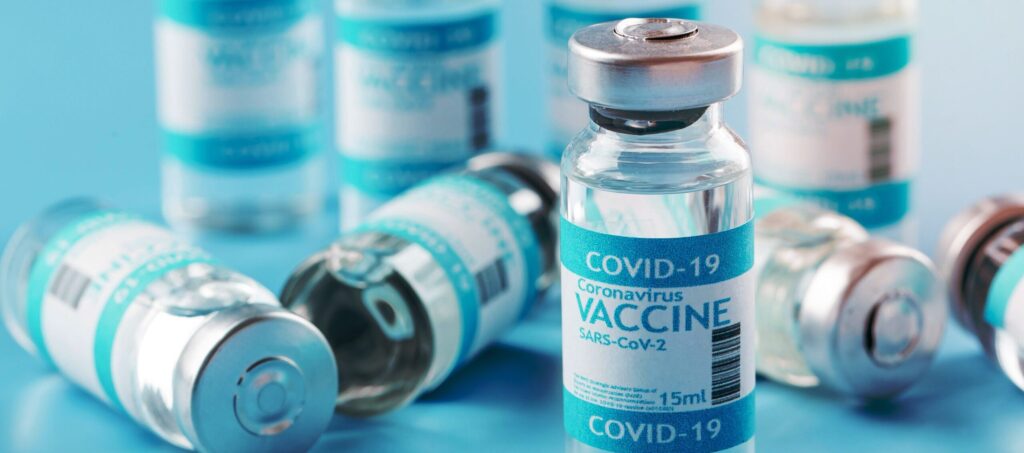
Amidst the chaos, two companies pulled ahead in the race to develop a vaccine – Pfizer and Moderna. Manufacturers churned out vials, syringes, and shipping containers without knowing which vaccines would ultimately receive FDA approval. The Centers for Disease Control and Prevention partnered with McKesson to develop appropriate storage and distribution facilities for the vaccines. McKesson turned to Steel King to procure racks for three distribution sites, including one in Louisville, KY. But with a tight deadline and supply chain issues related to the pandemic, the task seemed daunting.
Steel King’s engineering and production teams stepped up the schedule to meet the deadline. However, supply chain issues continued to pose challenges. Steel King faced material shortages and had to procure rack anchors from Hilty’s headquarters in Germany after the Army Corps of Engineers placed an order for all available anchors stateside. Yet, despite these obstacles, Steel King was able to deliver the required steel coil in record time with the help of Ryerson Steel and Nucor Corporation. The team worked collaboratively to ensure the success of the project.
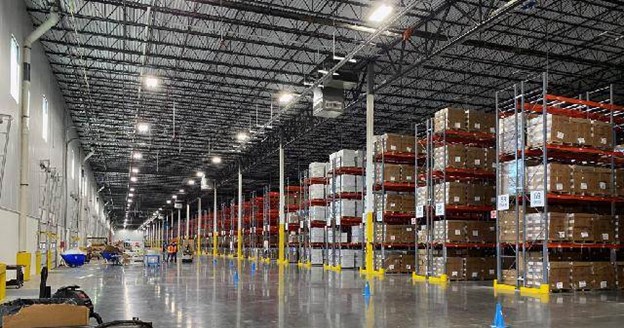

Steel King’s efforts paid off when the first three trucks were loaded for shipping by September 3. SK2000 frames and beams rolled off the production line, and Steel King’s NL Traffic Coordinator, Karen Lytie, kept the orders flowing out. Working closely with Evans Transport, they loaded trucks as soon as one became available and continually supplied the two installation crews. The project was a remarkable achievement, thanks to the tireless efforts of everyone involved, and it brought us one step closer to ending the pandemic.